Monument, CO Cafe Trends You Need to Know
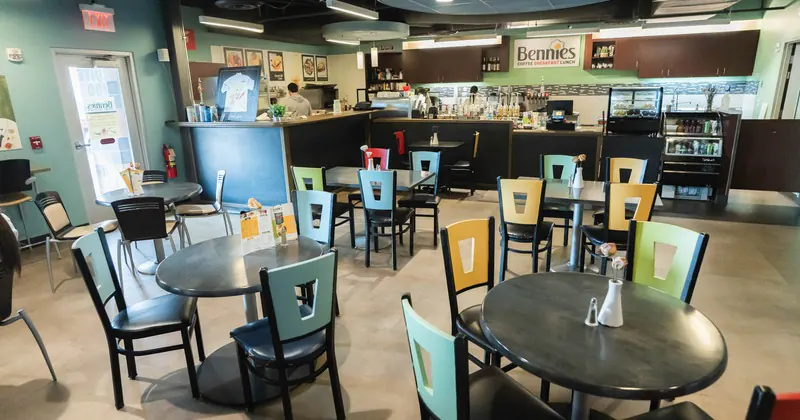
Monument has always occupied an interesting middle ground. It is close enough to Colorado Springs to feel the pull of a larger metro dining scene, yet small enough that people still notice when a new espresso machine lands behind the counter or when a local shop swaps out packaged pastries for house-baked scones. That tension, between small-town familiarity and Front Range ambition, is shaping the cafe scene in ways that are easy to miss if you only stop in for a quick latte.
Spend time in any Cafe Monument, CO regulars actually return to, and a few patterns become obvious. Customers are no longer looking only for caffeine. They want spaces that fit different parts of the day, drinks that feel thoughtful rather than trendy for trend’s sake, food that can hold its own, and service that remembers the difference between a commuter in a hurry and a parent trying to stretch a quiet hour. The result is a cafe culture that is maturing quickly.
What makes Monument particularly worth watching is that the town’s growth is changing customer expectations faster than many operators realize. New residents often arrive with habits formed in Denver, Boulder, or out of state markets where independent cafes have spent years refining hospitality, design, menu engineering, and community programming. At the same time, long-time locals still value practicality, warmth, and consistency over performative sophistication. The strongest cafes are the ones learning how to satisfy both groups without losing their identity.
The shift from coffee stop to all-day gathering place
A decade ago, many suburban and small-town coffee shops could succeed by being competent and convenient. Good beans helped, but location, speed, and a few upholstered chairs often did most of the work. That model is getting less reliable. In Monument, cafes increasingly need to function as hybrid spaces: morning fuel station, remote work nook, informal business meeting spot, after-school landing place, and weekend social hub.
This matters because it changes almost every operational decision. Seating layouts now influence revenue more than owners sometimes expect. A cramped room with nowhere to plug in may still capture some rush-hour business, but it will struggle to hold customers into late morning and early afternoon. On the other hand, a room that invites people to stay too long without purchasing enough can quietly erode margins. Good operators are finding a middle path with a mix of seating types, some quick-turn tables, some lounge seating, some work-friendly counters, and clear but polite norms around busy periods.
In Monument, weather plays a role too. Patio season can be excellent, but wind, snow, and sharp temperature swings make indoor comfort especially important for much of the year. Cafes that invest in acoustics, lighting, and traffic flow often outperform prettier but less functional spaces. A room can be Instagram-friendly and still fail if every blender order overwhelms conversation or if customers have to hover awkwardly over seated guests to find a pickup area.
The most successful local cafes understand that hospitality begins before the first sip. Parking, line management, stroller access, the distance between the pastry case and register, and whether a customer can quickly tell where to stand all shape the Cafe Monument, CO overall impression. In a town like Monument, where repeat business drives sustainability, those details matter.
Espresso is no longer enough on its own
Coffee quality still matters, of course. It probably matters more now, not less. But “good coffee” has become the baseline expectation, especially among younger customers and transplants. The real differentiator is how a cafe interprets quality.
Some shops lean into classic espresso discipline: properly textured milk, balanced shots, and a core menu executed with consistency every single day. Others expand into pour-overs, single-origin features, rotating roasters, or house specialties with syrups made in-house. Both approaches can work in Monument. The danger lies in doing either one halfway.
A lot of cafes underestimate how quickly regulars notice inconsistency. If the cappuccino is excellent on Tuesday and burnt on Friday, people may still be polite, but they adjust their habits. In practice, that often means they stop recommending the shop to friends, or they shift from three visits a week to one. For independent cafes, those tiny habit changes add up fast.
What is changing in Monument is not only the quality of coffee itself, but the language around it. Customers are more open than they once were to asking where beans come from, what roast profile they can expect, or whether a seasonal drink is built from scratch. They do not always ask those questions out loud, but they respond to the answers when they are made visible. A simple menu note about a rotating bean, a clear explanation of tasting notes that avoids pretension, or a barista who can guide someone from “I want something smooth, not too acidic” toward the right drink can build trust quickly.
That said, cafes should be careful not to overestimate how many customers want a seminar with their cortado. In Monument, practicality still wins. People appreciate expertise, but they tend to reward shops that make expertise feel welcoming rather than exclusive.
The rise of a stronger food program
One of the clearest trends is that food has stopped being an afterthought. In many growing communities, cafes that once relied on muffins, bagels, and a few wrapped snacks are finding that customers expect more. Monument is following that pattern.
There are good reasons for it. More remote workers means more people looking to bridge breakfast and lunch without leaving their seat. More school drop-offs and family scheduling means more customers needing something substantial at 9:30 or 11:00. More competition means that an average pastry no longer closes the sale the way it used to.
A serious food program does not necessarily mean a full kitchen. In fact, that can be a costly mistake if the space, labor pool, and customer volume do not support it. What works better for many cafes is a tightly edited menu with a few high-performing items done reliably well. Think breakfast sandwiches that can be assembled fast without tasting generic, toast options that actually justify the price, soup or quiche during colder months, and pastries sourced from a bakery partner whose quality reflects well on the shop.
Monument customers, in particular, tend to reward value they can see. A six-dollar pastry has to feel special. A breakfast sandwich nearing double digits has to eat like a real meal, not a concession stand snack wrapped in craft paper. When operators get this wrong, customers still buy coffee, but they shift food purchases elsewhere. When they get it right, average ticket size can climb meaningfully without making the cafe feel expensive.
There is also a practical health angle at play. Demand has grown for gluten-conscious options, lower-sugar choices, dairy alternatives, and protein-forward items. Not every cafe needs an extensive alternative menu, but the days of offering one dry gluten-free cookie and calling it inclusive are fading. Customers do notice whether accommodations feel intentional or perfunctory.
Seasonal drinks are maturing
Seasonal menus are still powerful, but the smartest cafes are getting more selective. The old formula, syrup-heavy drinks with festive names and sugar levels better suited to dessert, still has an audience. Yet many Monument customers now seem to prefer drinks that feel seasonal without becoming cloying.
This is where cafes can show real skill. A fall menu built around maple, cardamom, cinnamon, apple, or brown butter can land much better than another overly sweet pumpkin drink. In winter, drinks with orange, mocha, toasted marshmallow, peppermint used sparingly, or deeper spice notes tend to feel more adult and more repeatable. Spring favors floral flavors, honey, lavender in moderation, and citrus. Summer opens the door to cold foam variations, house lemonades, fruit-forward refreshers, and lighter iced espresso builds.
The key word is balance. Monument is not a market where every customer wants novelty for novelty’s sake. A seasonal special should still feel like coffee, tea, or a thoughtfully built specialty beverage, not a stunt. The drinks that return year after year are usually the ones that taste complete after three sips, not just the ones that photograph well.
Cafes are also getting smarter about non-coffee seasonal offerings. Chai, matcha, iced tea blends, and caffeine-light alternatives matter more than they once did, especially for group visits where not everyone drinks espresso. If one person in a group orders Cafe Monument, CO coffee and the others feel limited to hot chocolate or bottled juice, that weakens the cafe’s appeal as a destination.
Design is moving toward warmth, not just style
A noticeable shift in cafe interiors, in Monument and beyond, is the move away from spaces that are merely “nice” toward spaces that genuinely feel usable. The era of hard chairs, echoing walls, and decorative minimalism is losing ground to interiors that invite people to settle in without draining the room of energy.
Warm wood tones, layered lighting, and softer acoustics are doing more work than flashy décor. This trend makes sense in Monument, where customers often want a place to meet neighbors, work through a couple of emails, or decompress after errands. Cafes that create a sense of comfort tend to hold stronger mid-day traffic.
What is especially interesting is how local character is starting to matter again. Generic design, the kind that could be dropped into any suburb in America, rarely builds loyalty on its own. A cafe that reflects Monument’s pace, climate, and community habits has an advantage. That does not require antlers on the wall or forced rustic branding. It can be as simple as using local art, acknowledging nearby trail culture, designing for winter coats and boots, or making the space feel open to both professionals and families.
There is also a subtle but important trend around cleanliness and visual discipline. Customers increasingly associate a well-organized cafe with beverage quality. A tidy condiment area, a pastry display that looks refreshed rather than picked over, and a bar that appears intentional rather than chaotic all support the perception of competence. In small-town markets, those signals carry even more weight because word of mouth remains powerful.
Remote work has changed peak hours and customer behavior
One of the less obvious trends shaping cafes in Monument is the flattening of the traditional rush. Morning is still important, but the old assumption that traffic falls off sharply after 9:00 is no longer safe. Shops that attract remote workers, freelancers, real estate professionals, and hybrid employees can maintain steadier traffic into early afternoon.
That change creates both opportunity and friction. A customer who buys a drink and stays for two hours may fill the room with useful energy and generate follow-up purchases. That same customer can also occupy a prime seat during a busy window and suppress table turnover. The best cafes manage this without becoming hostile or overly rule-driven.
Wi-Fi strength, outlet placement, table spacing, and noise control have become business decisions, not just amenities. Some Monument cafes may find that they are better off leaning into the work crowd on weekdays and pivoting toward a more social, family-friendly atmosphere on weekends. Others may choose the opposite and intentionally discourage laptop camping to preserve flow. There is no universal formula, but indecision tends to show up in the customer experience.
One of the clearest signs of a well-run cafe is that the room has a rhythm. People know where to order, where to wait, where to work, and where to gather. When that rhythm breaks down, even strong coffee struggles to compensate.
Local identity is becoming a competitive advantage
As more consumers become comfortable with specialty coffee standards, branding based purely on product claims gets weaker. “Locally roasted,” “small batch,” and “artisanal” do not mean much unless the actual experience backs them up. In Monument, cafes that stand out usually do so because they become part of people’s routine and social map.
That might mean hosting low-key events, collaborating with local bakers, featuring nearby artists, or becoming the meeting place before a community event. It might simply mean knowing regulars by name and remembering that one person gets an extra-hot latte while another always asks for half sweet. In practice, that kind of local embeddedness is hard for chains to replicate.
There is a mistake some independent operators make, though. They assume “community-focused” means saying yes to every flyer, fundraiser, or event request. That can spread a team thin fast. The more sustainable approach is selective involvement, picking a few relationships or rhythms that make sense for the brand and operational capacity. Customers can tell the difference between authentic community presence and a bulletin board stuffed with obligations.
For a Cafe Monument, CO business, this matters because growth cuts both ways. New customers arrive every month, but communities do not stay cohesive automatically. Cafes often become one of the places where that cohesion is rebuilt.
Pricing pressure is real, and customers are noticing value more closely
Anyone in the coffee business has felt the squeeze in recent years. Labor, dairy, rent, cups, pastries, and coffee itself have all become more expensive. Monument is not exempt from those pressures. Neither are its customers.
That does not mean people are unwilling to pay premium prices. It means they are more selective about when and where they do it. A well-made drink in a clean, comfortable space with good service still feels worth the spend to many people. What no longer works as well is mediocre execution hidden behind boutique pricing.
Value is broader than price alone. It includes portion size, ingredient quality, speed, friendliness, and whether the order feels right. A customer may accept a seven-dollar latte without complaint if it tastes excellent and arrives in a setting they enjoy. That same customer may resent a five-dollar drip coffee if the shop feels indifferent or the cup tastes stale.
Operators in Monument should pay close attention to menu architecture here. Customers are often willing to trade up if the premium feels justified. They are less forgiving of broad across-the-board price increases that do not come with clearer quality signals. Sometimes the better move is to tighten the menu, improve a handful of key offerings, and communicate quality more clearly rather than layering increases onto weak items.
Non-coffee drinks are no longer side categories
One of the biggest mistakes cafes make is treating tea, matcha, chai, and other alternatives as backup options. In many shops now, those beverages drive a meaningful share of sales and bring in customers who might not otherwise choose a cafe at all.
This trend is visible in Monument because group behavior matters. Families, friend groups, and casual meetings often include mixed drink preferences. The cafe that serves excellent espresso but weak tea loses part of the party. The one that gives real care to both categories becomes a safer choice for the group.
Matcha is a good example. Customers who order it regularly tend to know when it is poorly prepared. Clumpy texture, overly sweetened mixes, or low-grade powder undermine confidence quickly. The same is true for chai. A house chai that tastes layered and balanced can become a signature. A syrup-only version can make the menu feel generic.
Cold beverages are also expanding in importance. Monument’s warmer months create demand for iced options that go beyond simply pouring hot coffee over ice. Cold brew, shaken espresso, sparkling tea drinks, and fruit-accented refreshers offer variety without requiring a sprawling menu. The cafes that handle this well usually think carefully about dilution, sweetness, and visual appeal, rather than just adding ice to existing formulas.
Service style is becoming more intentional
Customer service in cafes used to be discussed in broad, almost vague terms. Be friendly. Be fast. Smile. That is still true, but the standard is more nuanced now. Customers increasingly respond to service that feels observant and competent, not scripted.
In Monument, the strongest cafe teams often share a certain quiet confidence. They move with urgency during busy periods without becoming curt. They can explain a menu item plainly. They know when to engage in conversation and when to let a rushed customer keep moving. They clean as they go. They fix mistakes cleanly.
These seem like small things, but they build the kind of trust that keeps regulars coming back. In a town environment, one memorable service failure can circulate widely. So can one genuinely positive interaction.
Training matters here more than many owners admit. A great barista is not just someone who can pull decent shots. It is someone who can maintain standards during a rush, communicate clearly with coworkers, and protect the customer experience when something goes wrong. As cafes in Monument become more sophisticated, labor quality may be one of the biggest dividing lines between shops that plateau and those that become fixtures.
What customers in Monument are likely to reward next
Looking ahead, the cafes most likely to thrive in Monument are the ones that resist copying every national coffee trend and instead filter those trends through local reality. Not every shop needs canned espresso tonics, elaborate signature flights, or a dozen syrup combinations. Some will benefit from those ideas. Many will do better by refining the basics and adding a few thoughtful expansions.
Customers here are showing a preference for places that feel grounded. They want quality, but not pretension. Variety, but not menu chaos. Aesthetic appeal, but not at the expense of comfort. Local personality, but not forced quaintness. If that sounds like a hard balance to strike, it is. That is also why the cafes that get it right earn such durable loyalty.
The Monument cafe scene is becoming more interesting precisely because it is no longer enough to be passable. Shops have to make choices. Are they a work-friendly weekday anchor, a family weekend stop, a serious coffee destination, a food-forward brunch alternative, or some careful mix of the above? The answer should shape everything from seating and staffing to pastries and seasonal drinks.
For anyone watching the local market, whether as an owner, investor, vendor, or regular customer, that is the trend worth paying closest attention to. Monument’s cafes are not just adding more drinks or better décor. They are defining what hospitality looks like in a growing town that still wants to feel like itself. That tension is where the most compelling changes are happening, and where the next standout Cafe Monument, CO business will likely make its mark.
Bennies Cafe
17230 Jackson Creek Pkwy Ste 100, Monument, CO 80132
+1 719-445-0660
FAQ About Cafe Monument, CO
What is considered a café?
A café is generally an informal place to enjoy refreshments and a meal. Bennies Cafe in Monument serves breakfast and lunch in a counter-service setting, with options including eggs Benedict, sandwiches and crepes. Guests can eat in or arrange pickup.
What is the difference between a coffee shop and a café?
The terms often overlap. A coffee shop usually emphasizes coffee and other drinks, while a café may offer a broader food menu. Check the individual establishment's menu rather than relying on its name. Bennies Cafe offers coffee drinks alongside breakfast and lunch dishes.
What is the difference between café and coffee?
In everyday English, a café is a place where people buy food and drinks, while coffee is the beverage. The word café comes from the French word for coffee. Bennies Cafe serves options such as brewed coffee, espresso and lattes as part of its drinks menu.